

KAMPALA – A new study by the Kampala Capital City Authority has revealed a worrying surge in HIV infections, with at least 211 people in the capital contracting the virus every week over the past 12 months.
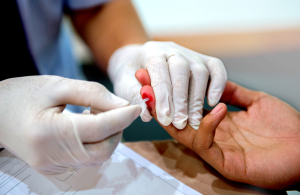
The findings, presented at the 2026 Kampala HIV/TB Stakeholders’ meeting, show that 11,241 new infections were recorded between July 2025 and June 2026. This translates to roughly 844 cases per month or about 30 new infections every day. The study reviewed testing data from 649,570 individuals across various health facilities in the city.
Dr. Douglas Tuhumwire, Care and Treatment Lead at KCCA, said the spike is suspected to be driven largely by unregulated sexual activity in massage parlours, spas and lodges. Other contributing factors cited include domestic violence, structural inequalities and exposure influenced by digital platforms and social media. He stressed that these drivers still require deeper investigation to establish the exact causes.
Women made up 64 percent of those tested and accounted for 62 percent of the new positive cases. Men represented 38 percent of the new infections. While most people tested were aged 20 to 24, the highest number of new positives was concentrated among those aged 30 to 39.
Stakeholders at the meeting expressed alarm over the figures, especially amid declining funding for HIV programmes. Josephine Kaleebi, Executive Director of Reach Out Mbuya Community Health Initiative, described the numbers as deeply concerning. She noted that many adolescents who were protected from mother-to-child transmission at birth are now acquiring HIV due to limited awareness of the risks. Kaleebi called for renewed focus on prevention and stronger efforts to re-engage young people who have grown up in an era of widely available antiretroviral treatment.
Kampala Lord Mayor Ronald Balimwezo urged government and development partners to prioritise funding for the city, citing its dense day and night population. He pushed for a better coordinated referral system among NGOs, support to digitise health facilities, and encouraged residents to test regularly so they know their HIV status.
Dr. Christopher Oundo, KCCA HIV/TB Focal Person, acknowledged progress in care and treatment but pointed out that stigma, discrimination and continuous new infections remain major obstacles. He emphasised the need for multi-institutional collaboration if the city is to end the epidemic.
The meeting was organised under Reach Out Mbuya’s five-year PEPFAR-supported HIV/TB project in Kampala, which aims to help the country reach the UNAIDS 95-95-95 targets by 2030. Current data shows Kampala at 88 percent for people knowing their status and 78 percent of diagnosed individuals enrolled on antiretroviral therapy. The city has already exceeded the third target, achieving 97.5 percent viral suppression among those on treatment.
Health experts are now calling for urgent, targeted prevention measures, particularly those aimed at young adults and the regulation of high-risk venues such as massage parlours, spas and lodges, if the current trajectory is to be reversed.