Religious leaders and local officials in the Tooro sub-region have joined growing opposition to the proposed Protection of Sovereignty Bill, 2026, calling for its withdrawal or postponement over concerns that it could restrict foreign support and civil liberties.
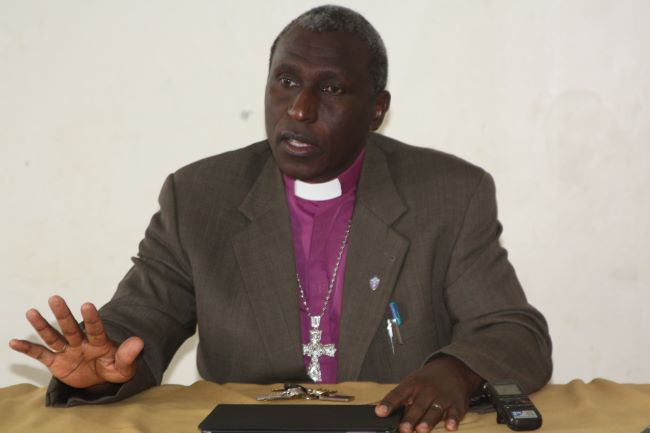
The Bishop of Rwenzori Diocese, Reuben Kisembo, has urged Parliament to reconsider and shelve the Bill, warning that it could negatively affect Uganda’s access to foreign financial and humanitarian assistance.
Bishop Kisembo said many Ugandans and institutions, including churches, rely on support from abroad to fund community projects and assist vulnerable people.
He argued that the Bill could disrupt these contributions, noting that many families also depend on remittances from relatives working outside the country.
According to him, Uganda still depends significantly on external resources to complement limited domestic funding for development and social services.
The Bishop further warned that, if enacted in its current form, the law could be used to restrict or control organisations that rely on foreign assistance, potentially affecting freedoms of operation.
Fort Portal City Mayor-elect, Willy Kintu Muhanga, strongly criticised the Bill, describing it as “barbaric, inhuman, and ungodly.”
He questioned Parliament’s priorities, saying lawmakers should instead focus on pressing issues such as corruption and poor service delivery.
Muhanga also warned that despite the term “sovereignty,” the content of the Bill raises serious concerns about its real intentions and impact on ordinary citizens.
He added that Uganda continues to rely heavily on external support to meet national budget and development needs.
Civil society actors in the Tooro sub-region also expressed mixed views on the legislation, with some calling for its withdrawal to allow wider consultations, while others support its passage with amendments.
Edward Itoote warned that the Bill’s scope could extend beyond civil society organisations to affect professionals, families, and Ugandans in the diaspora.
He expressed concern that the proposed law could strip diaspora communities of protections linked to dual citizenship and impose penalties on families receiving foreign support if they fail to register under new requirements.
Local leaders have also questioned the timing of the Bill, urging government to defer it to the next Parliament for broader consultation.
Gerald Twebaze called for the Bill to be postponed to the 12th Parliament, arguing that it is being rushed at the end of the current legislative term.
He added that Uganda already has several existing laws and policies that should be implemented or amended instead of introducing new legislation.
Twebaze further emphasized that citizenship is a constitutional right and warned against provisions that would allow administrative authorities to determine or revoke it arbitrarily.